Essay · Critical Notes
By Editorial Desk · Updated October 2026 · 12 min read
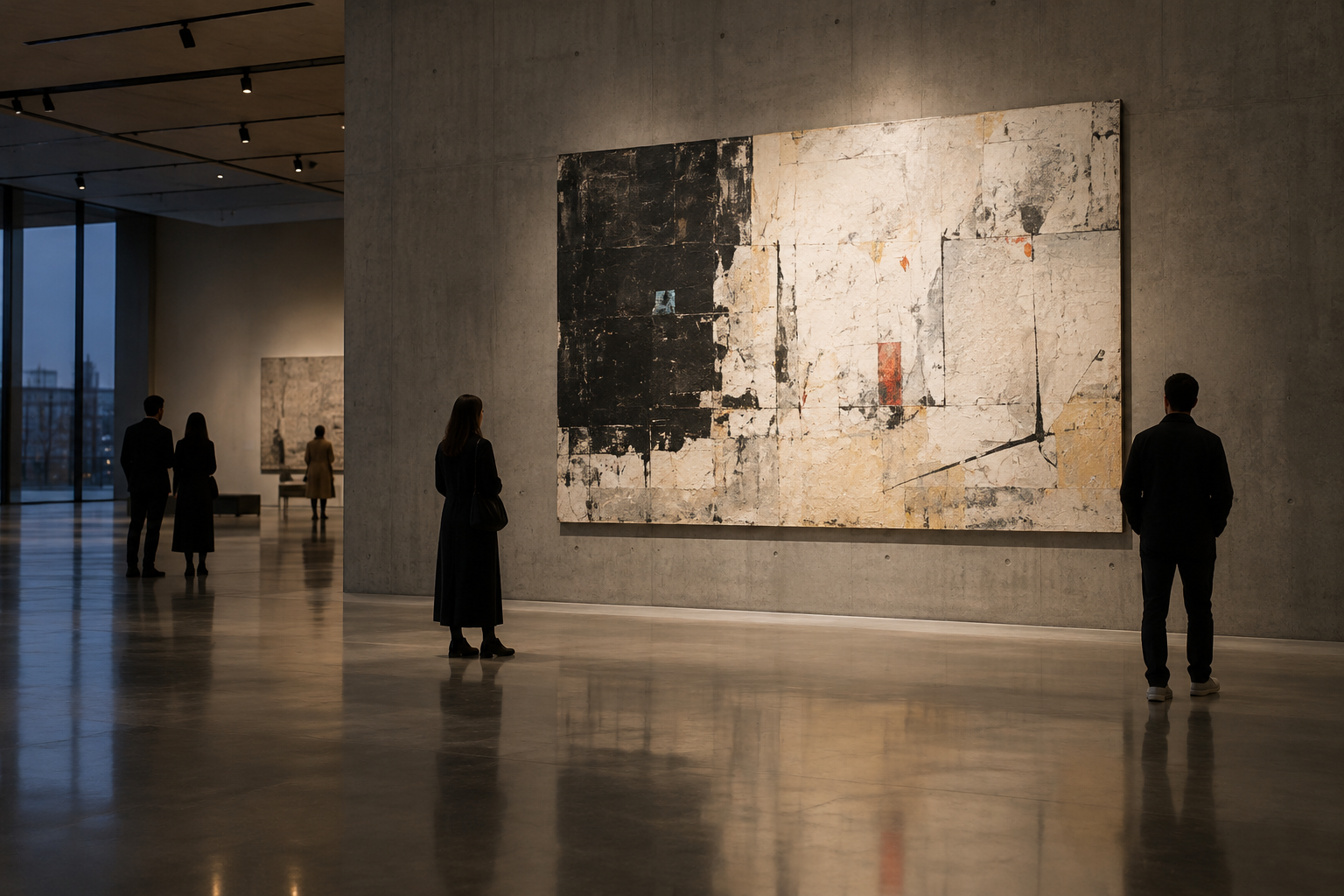
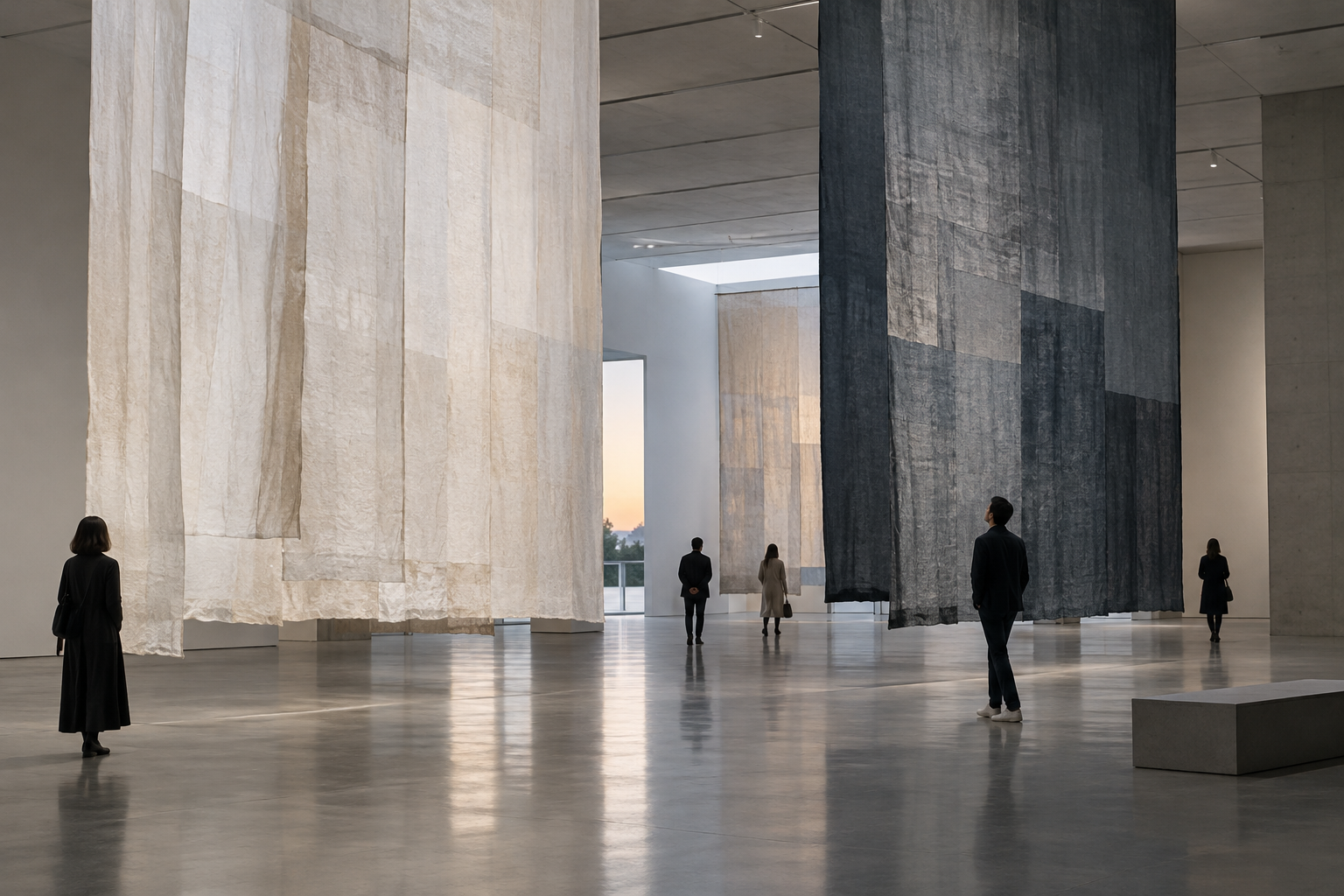
The gallery floor teaches a different pace of attention than the endless feed. What appears quiet at first often contains the loudest proposition.
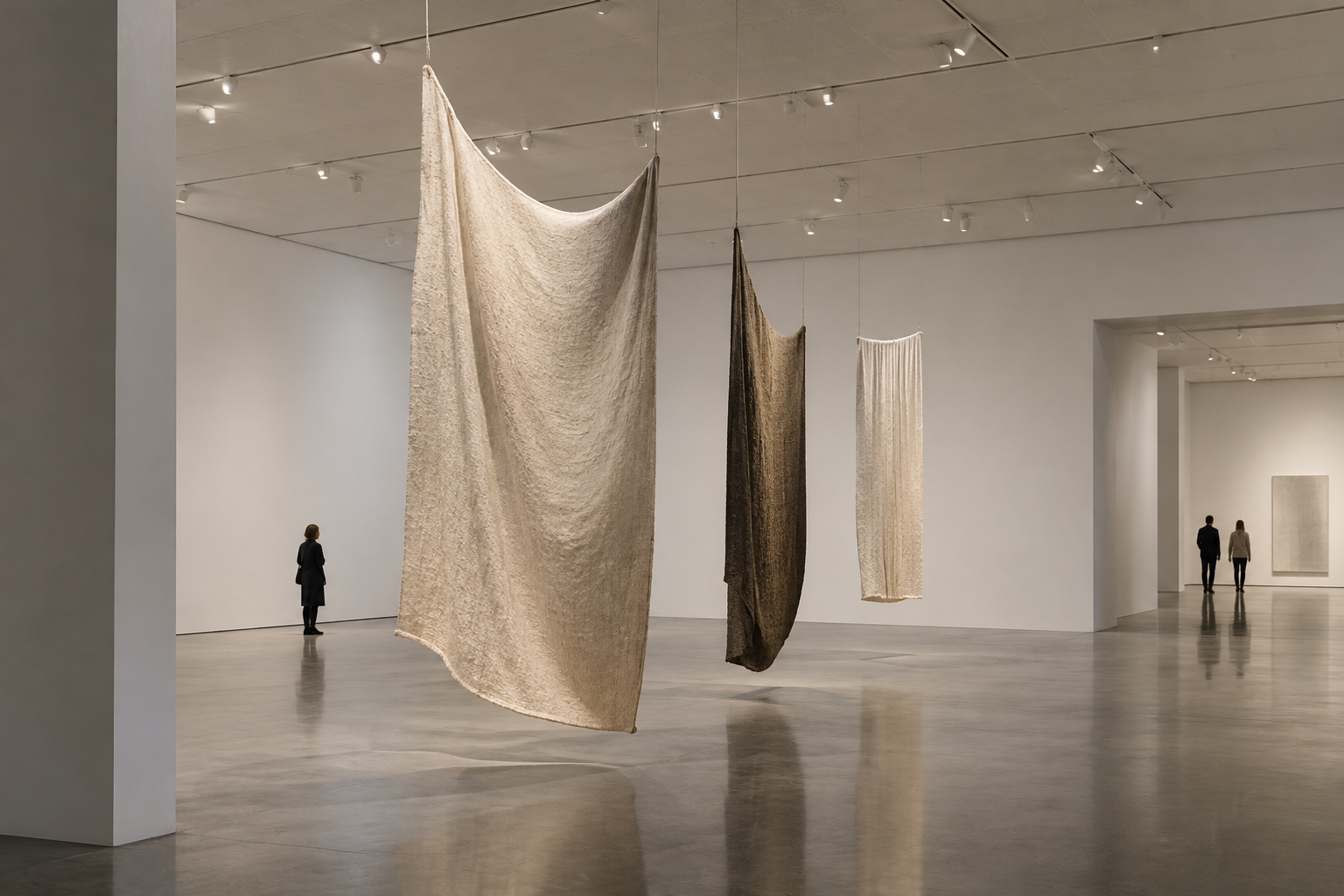
In a season crowded with declarations, the most persuasive work often arrives through restraint. The installation does not explain itself quickly; it asks for repeated looking, and with each pass the material decisions become newly legible. A folded seam, a measured void, a muted pigment field: these are not minor details but the architecture of meaning.
What matters in this mode of practice is not spectacle but calibration. The artist sets pressure points between form and atmosphere, then lets the viewer complete the circuit. The result is less a statement than an encounter that unfolds over time.
Looking slowly as method
To look slowly is not nostalgia; it is technique. It allows context to surface without flattening difference. Works that seem formally minimal can hold dense social memory, and works that appear exuberant may conceal a disciplined internal grammar.
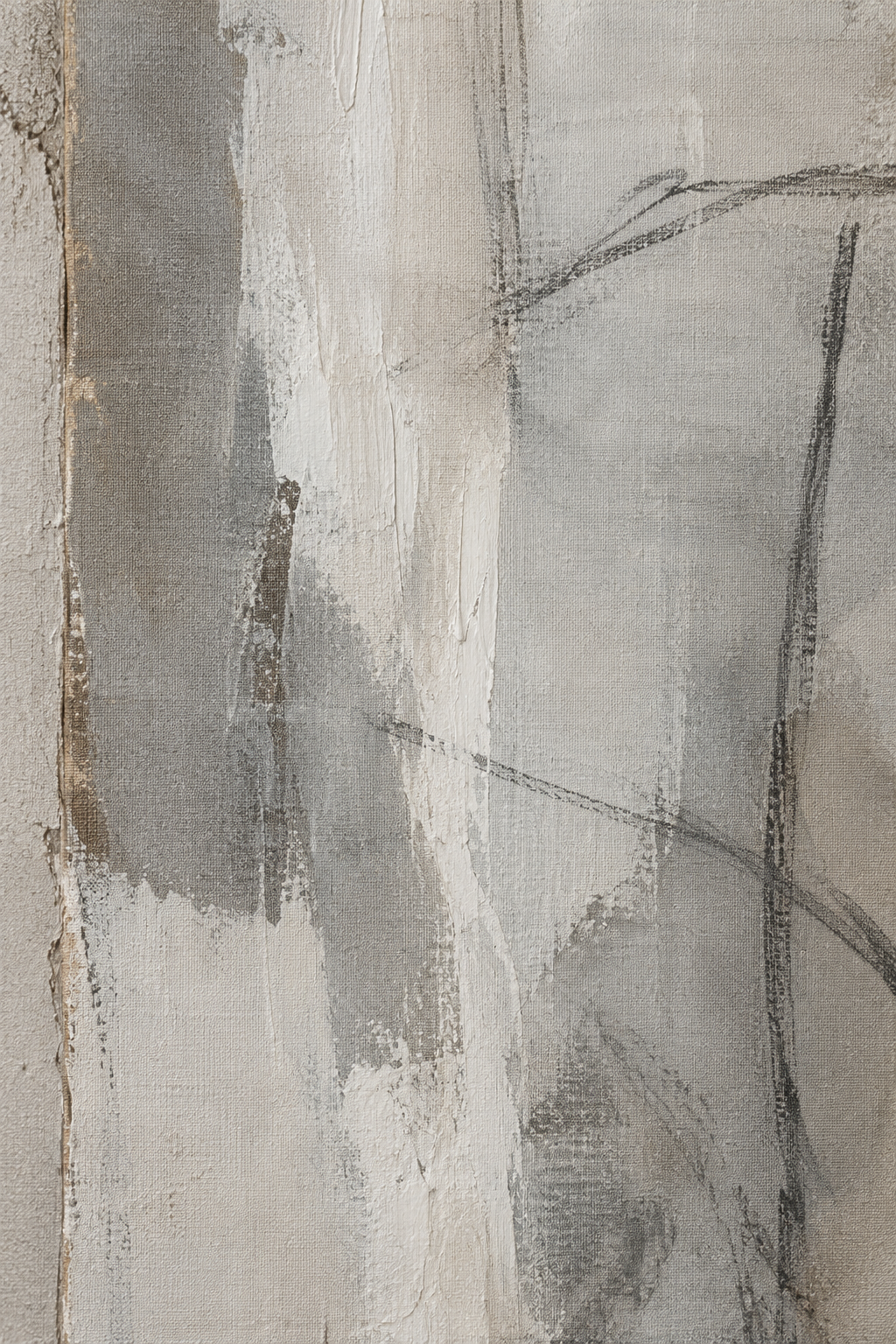
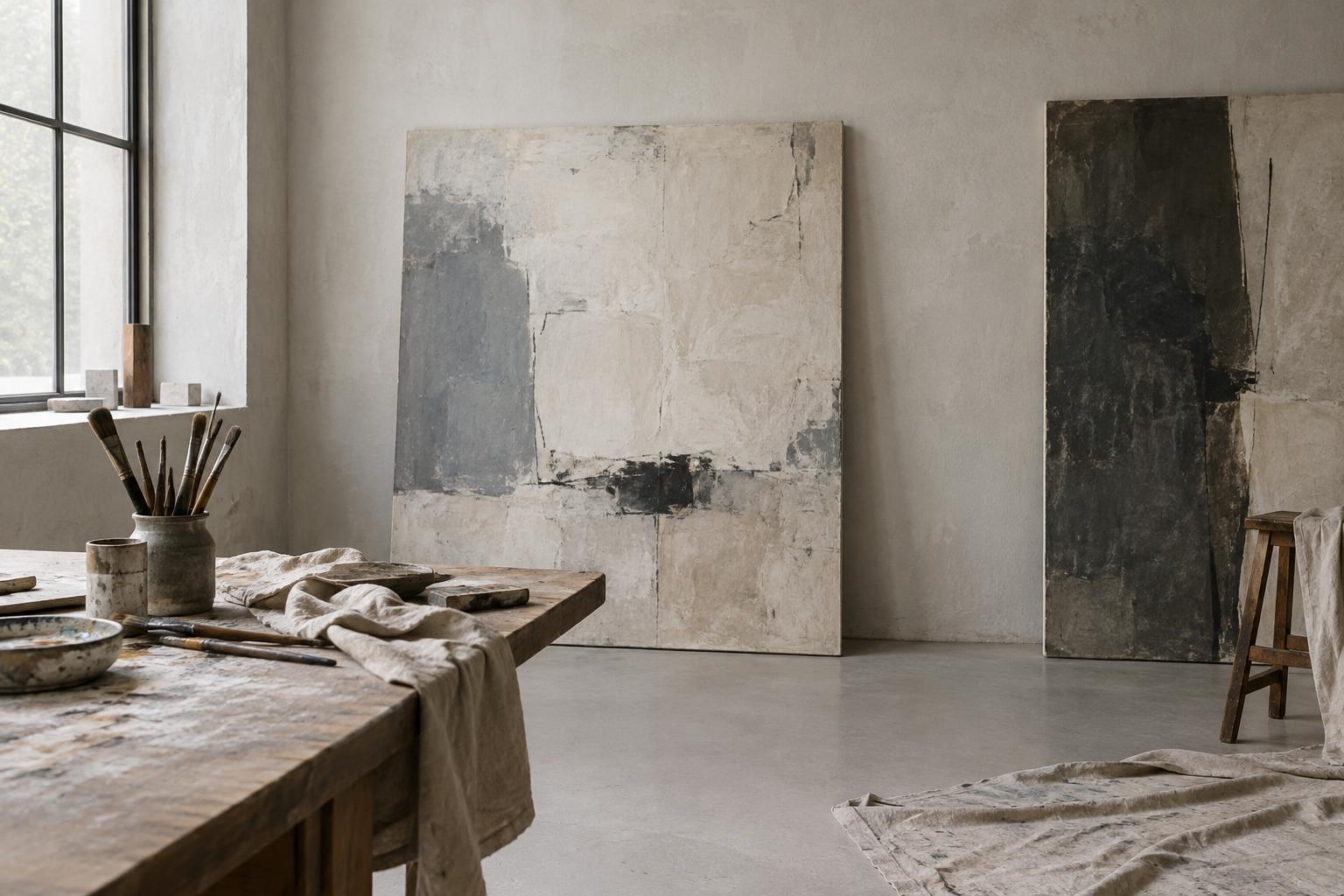
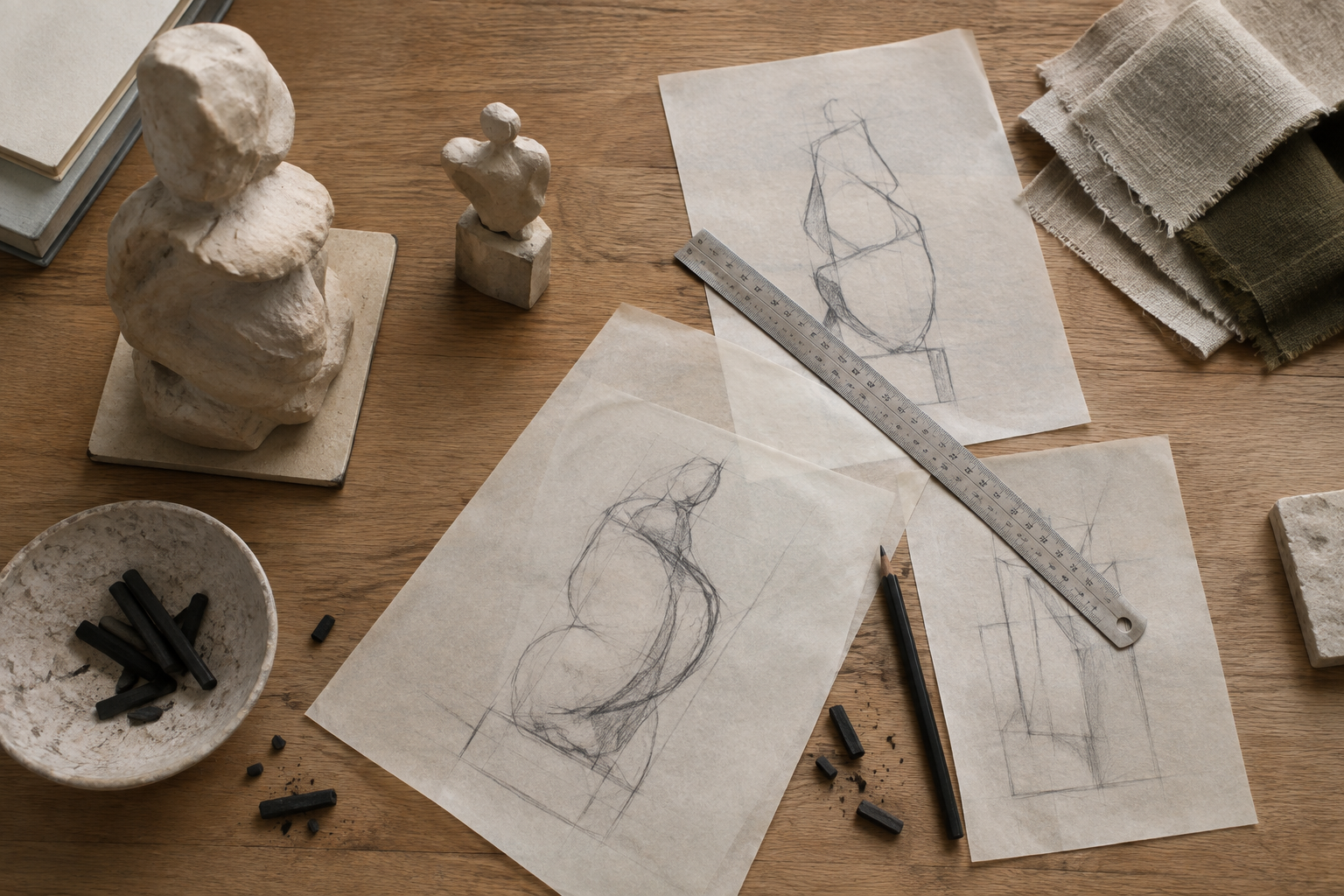
In interviews, artists frequently describe revision as removal rather than accumulation. The studio becomes a site of subtraction: less narrative, fewer signals, tighter relations. This is where editorial criticism can be useful—not to decode the work fully, but to register the precision of those choices.
“The most contemporary gesture may be the refusal to overstate—to leave enough silence for the viewer's intelligence to enter.”
That silence should not be confused with neutrality. Rather, it stages a sharper ethical demand: to notice where value is being assigned, where histories are being softened, and where a polished surface risks becoming an alibi.
After the image, the argument
Returning to text after an expansive visual field should feel natural, not abrupt. Good editorial pacing alternates pressure and release—close reading, then air; argument, then image; detail, then scale. This cadence supports comprehension while preserving wonder.
The most durable criticism remains accountable to both form and context. It resists definitive closure and instead offers a framework for continued looking—one that can travel from studio visit to exhibition floor, and from private response to public conversation.
Related reading: Browse the journal archive or join the newsletter for new essays.